Alabama Tantalum Project
History of Tantalum Mining in Alabama
Alabama has a long but largely overlooked history in the domestic production of strategic minerals. During World War II, tin was mined from Coosa County to support wartime industrial needs, highlighting the region’s historic role in supplying minerals important to U.S. national security. Decades later, that same mineral-rich district became the site of one of the most important tantalum discoveries in the country.
In the late 1980s, Dr. Robert Cook identified the tantalum potential of the McAllister Deposit and played a key role in advancing the project from discovery toward production. Under his technical guidance and supervision, the McAllister operation became the last significant known source of tantalum production in the United States.
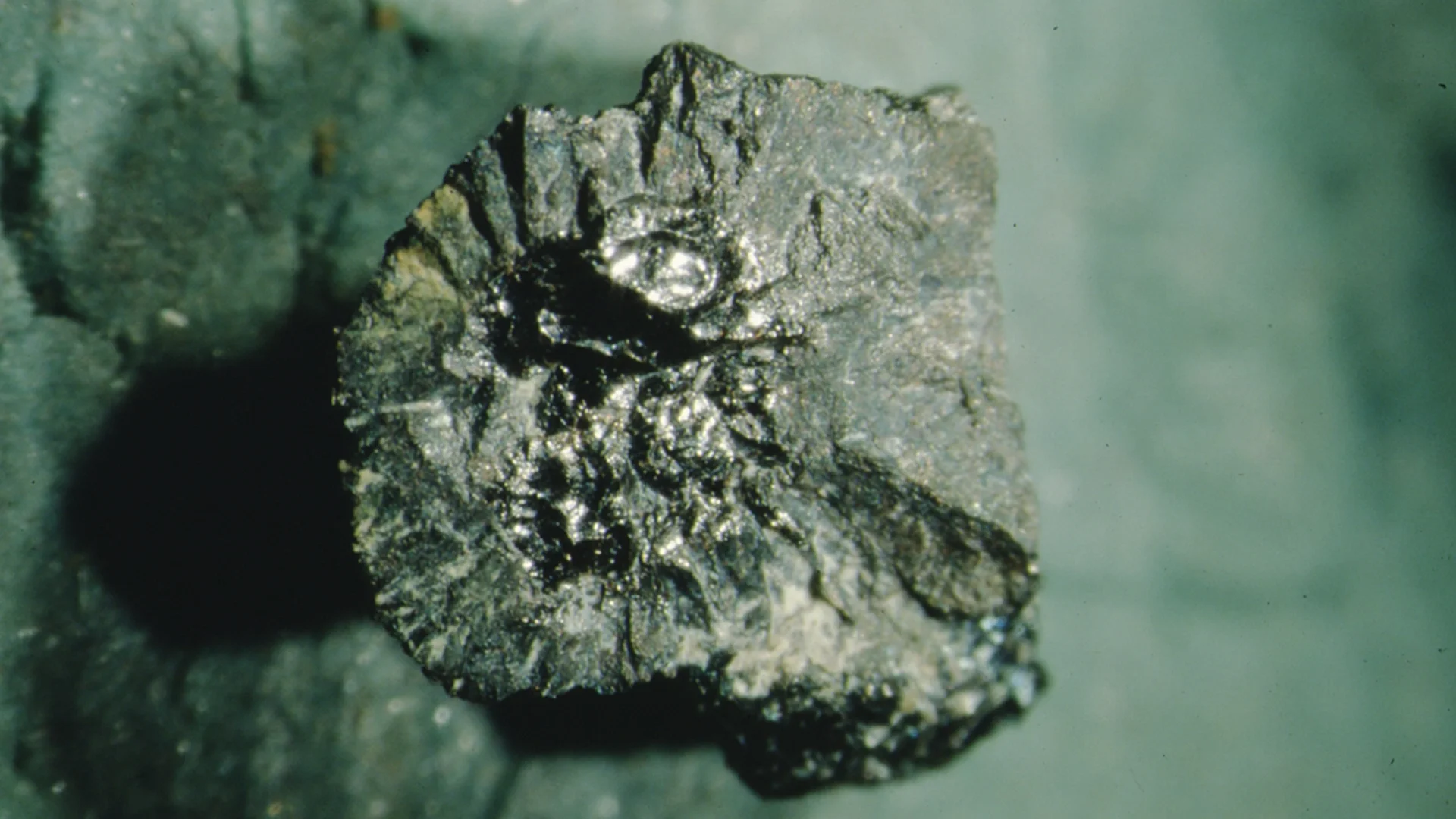
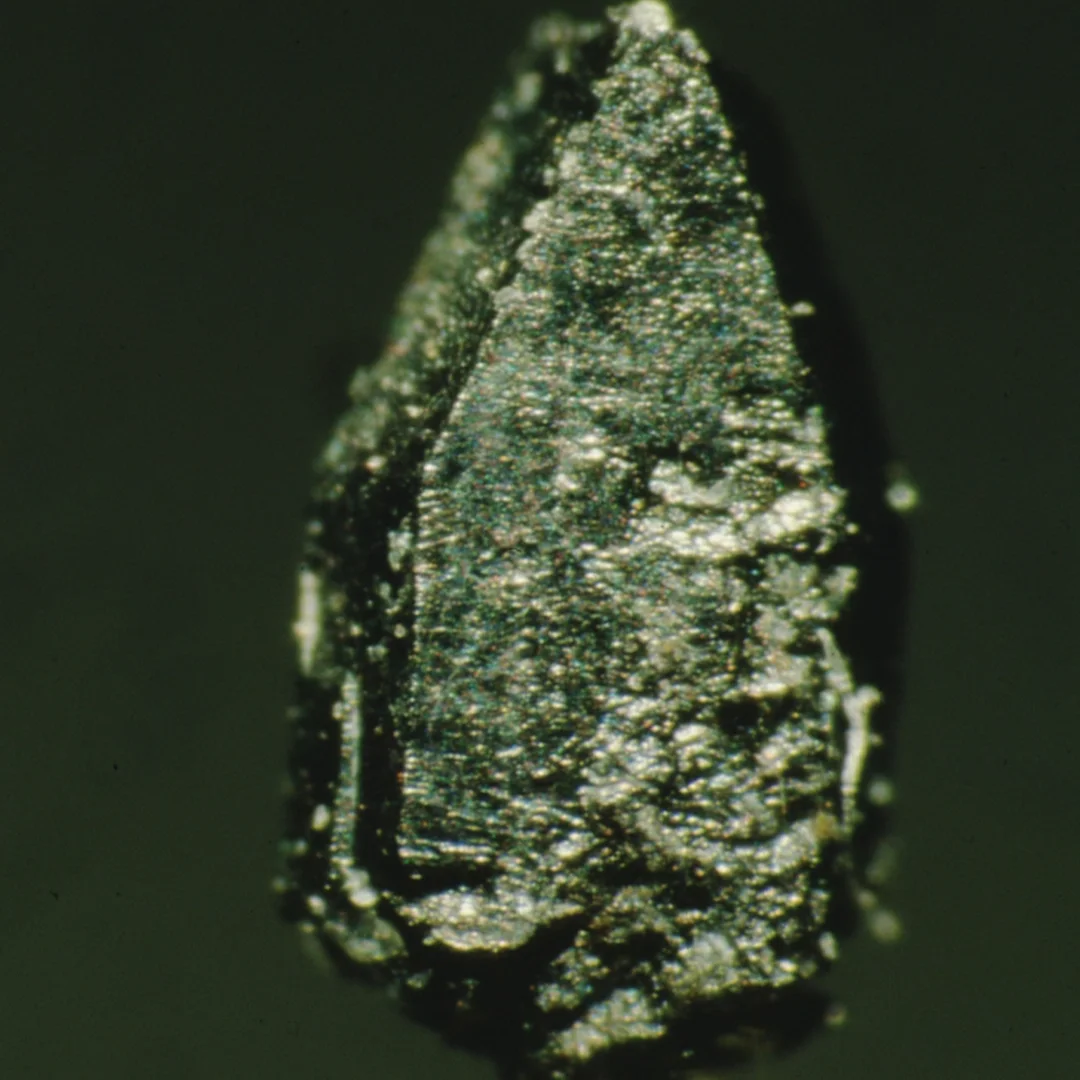
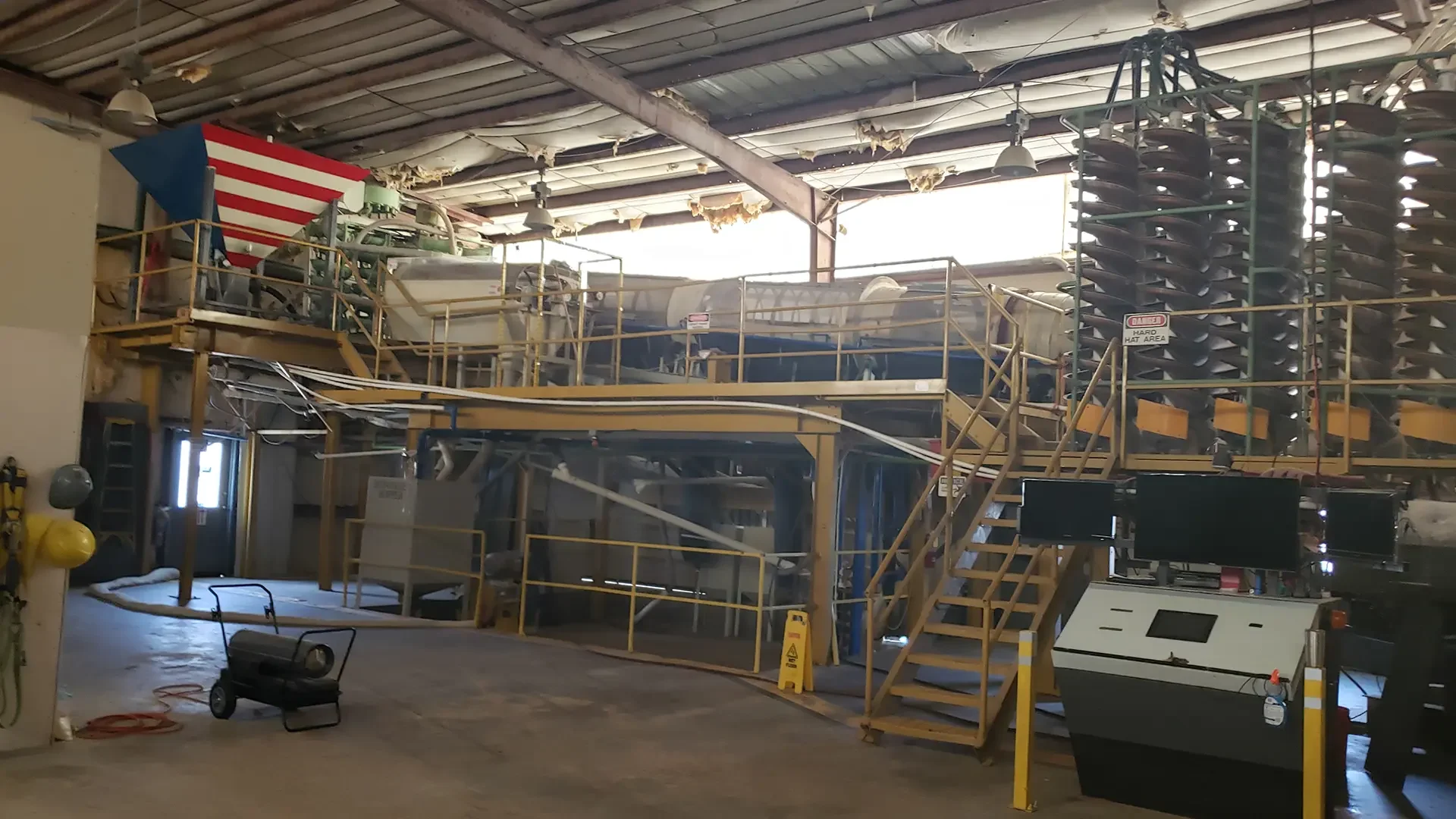
Between 1989 and 1992, the McAllister operation produced approximately 500,000 pounds of tantalum concentrate, supplying both the U.S. National Defense Stockpile and domestic industry. The project utilized a simple Dense Media Separation processing plant, commonly known as DMS, which remains a key strategic asset today. This history gives the McAllister Deposit a unique position in America’s critical minerals landscape: a proven domestic tantalum producer with historic defense relevance, existing processing infrastructure, and renewed importance in today’s push to rebuild secure U.S. supply chains.
Our Work to Date
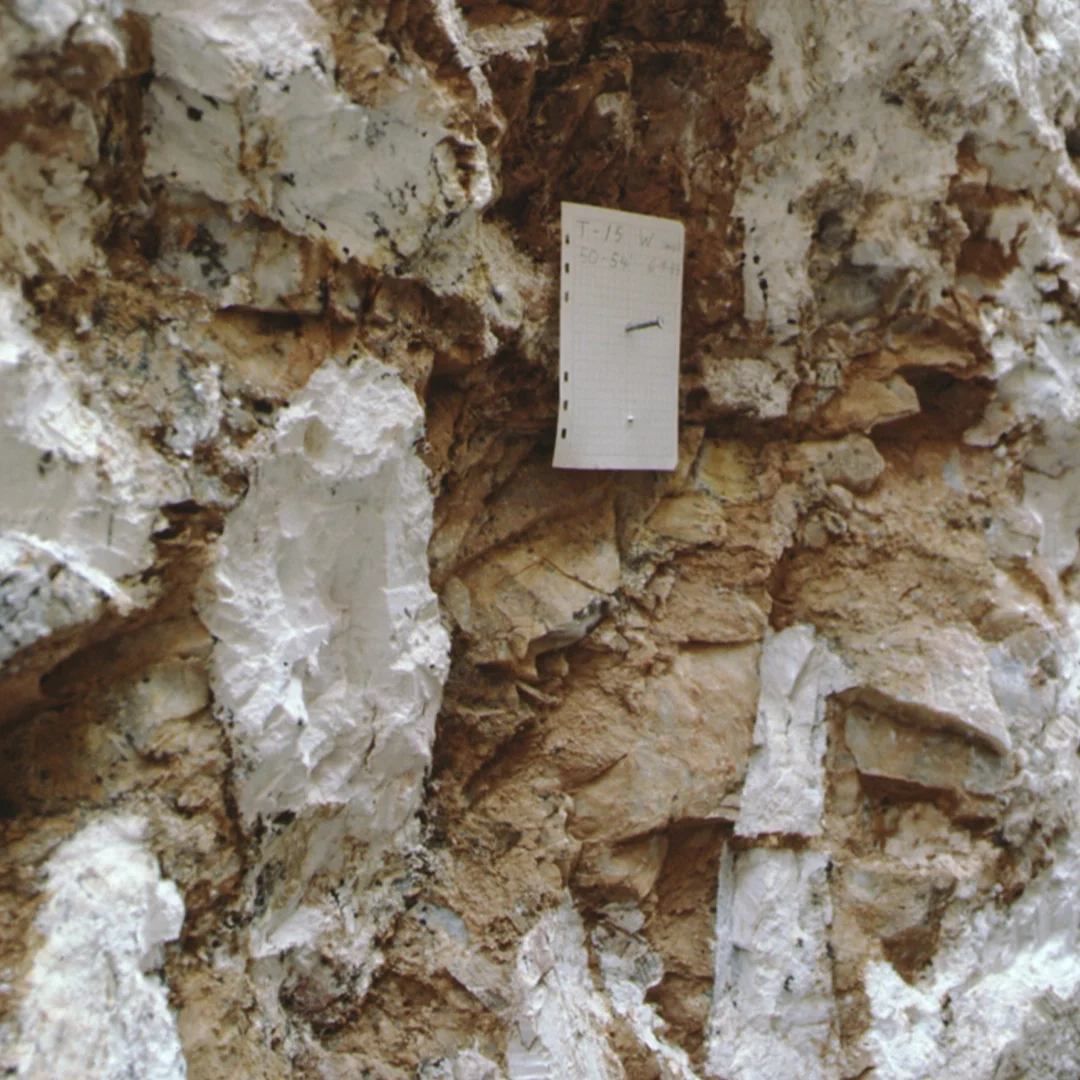
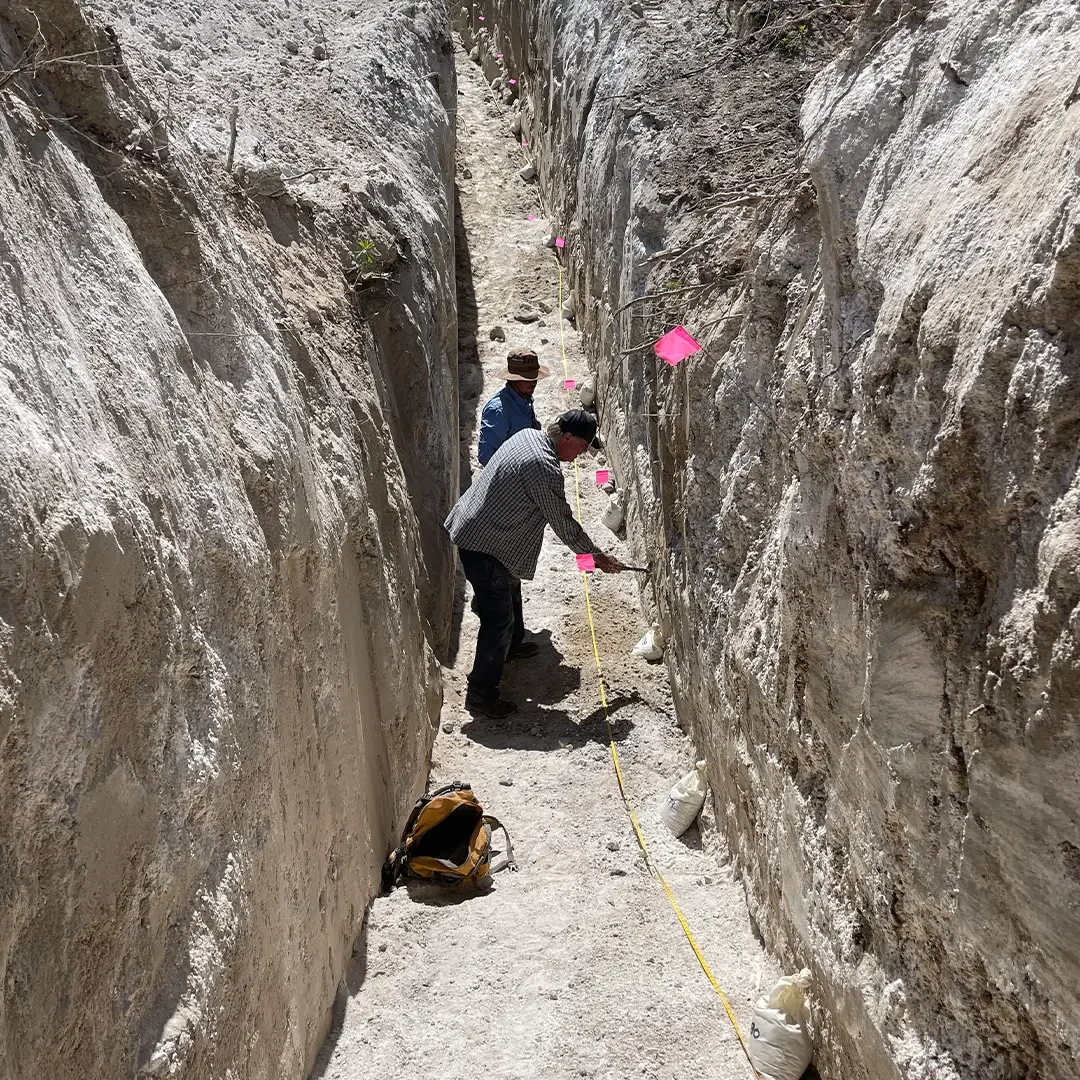
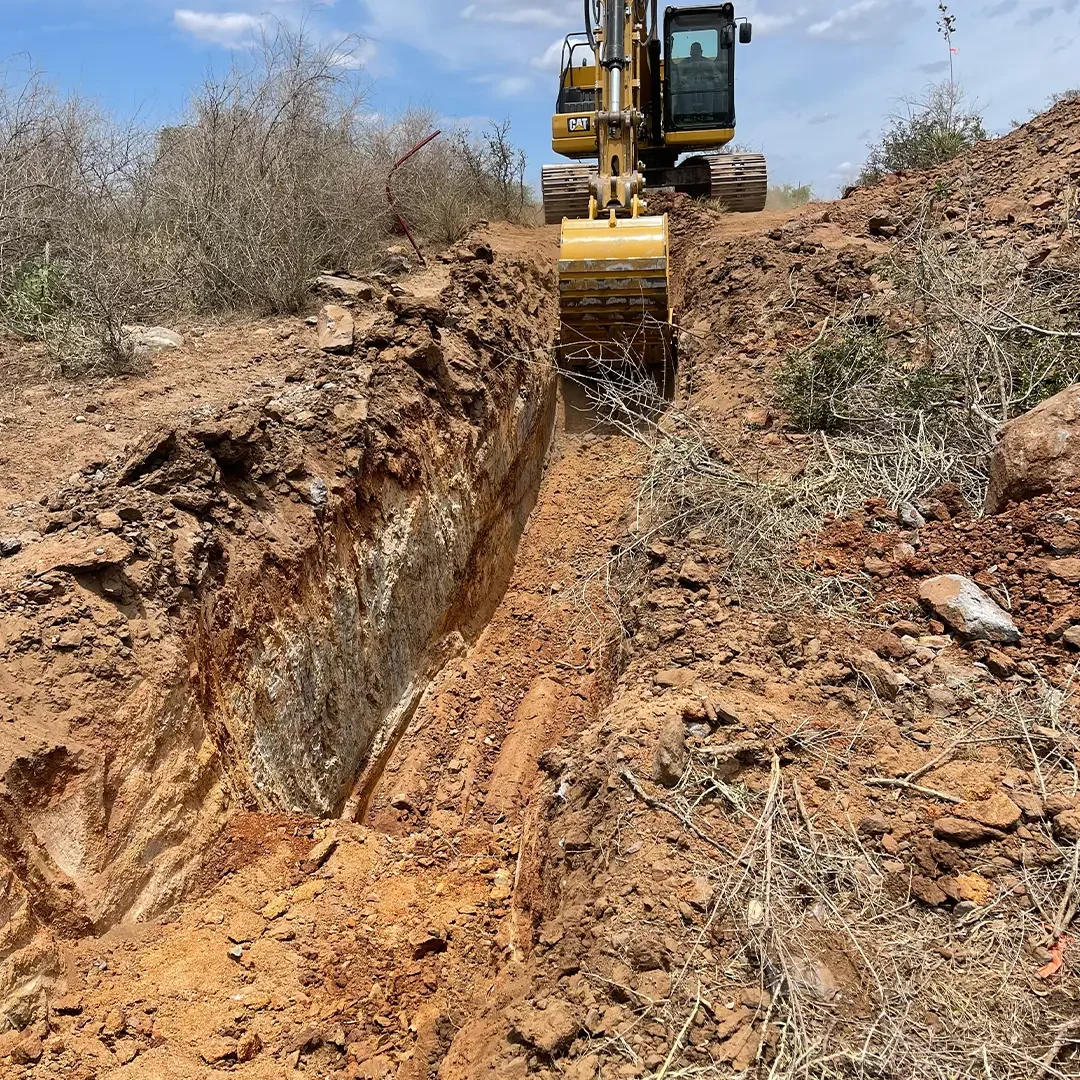
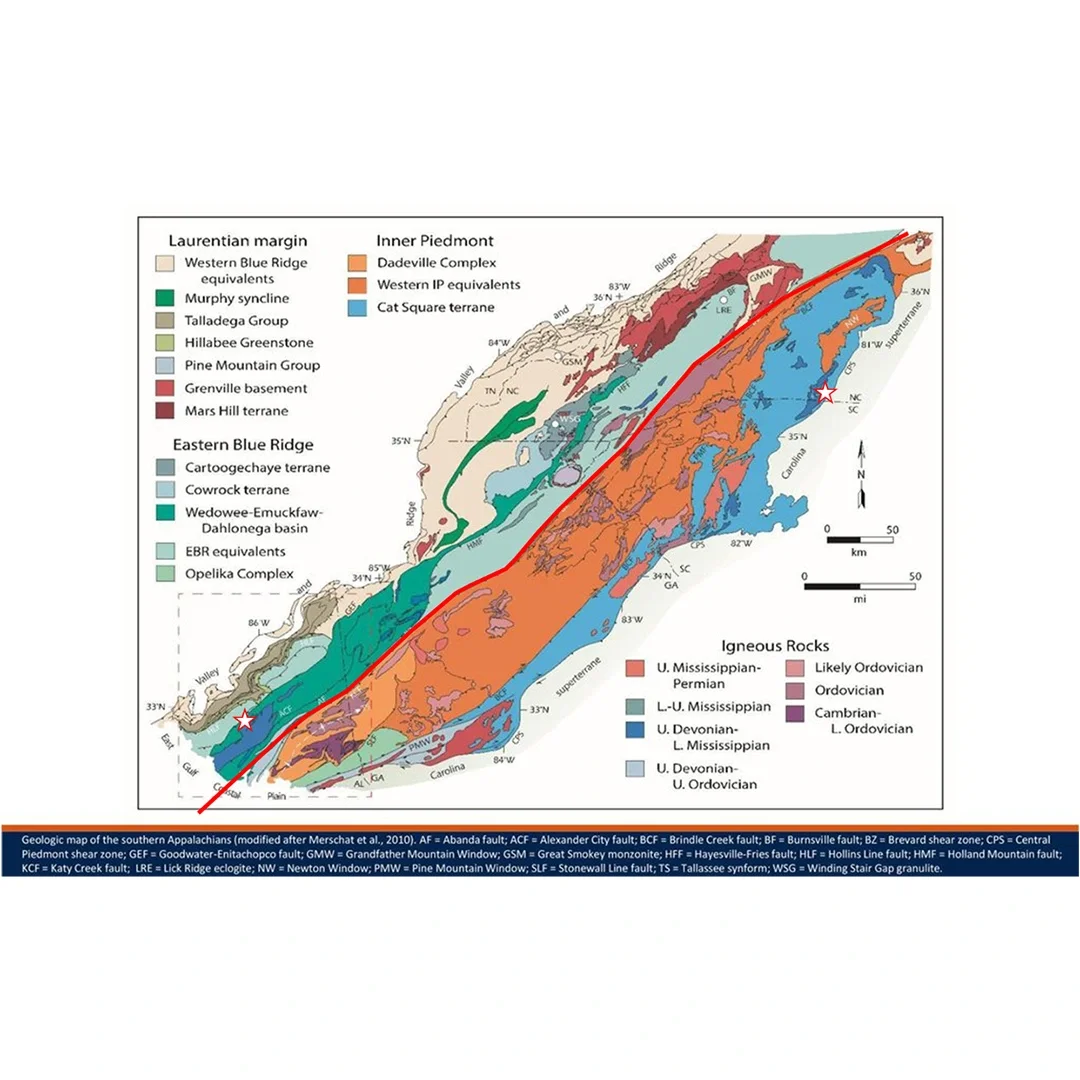
U.S. Critical Minerals has assembled a strategic land position across Alabama's emerging critical minerals district, securing more than 5,000 acres and access to extensive historical exploration data. The company has completed large-scale mapping, trenching, sampling, and geochemical programs that have confirmed the presence of a major lithium-cesium-tantalum (LCT) pegmatite system extending across more than 230 square kilometers.
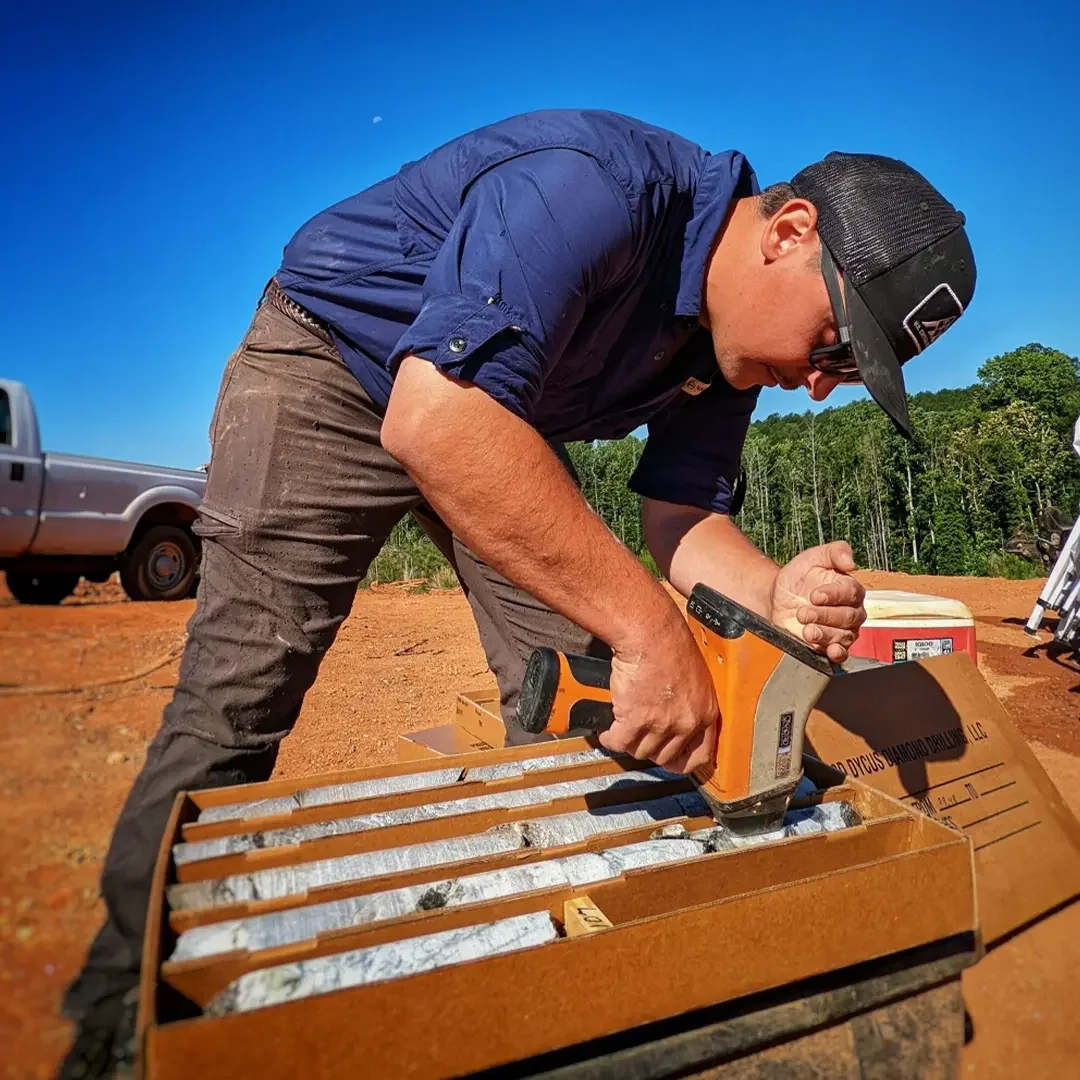
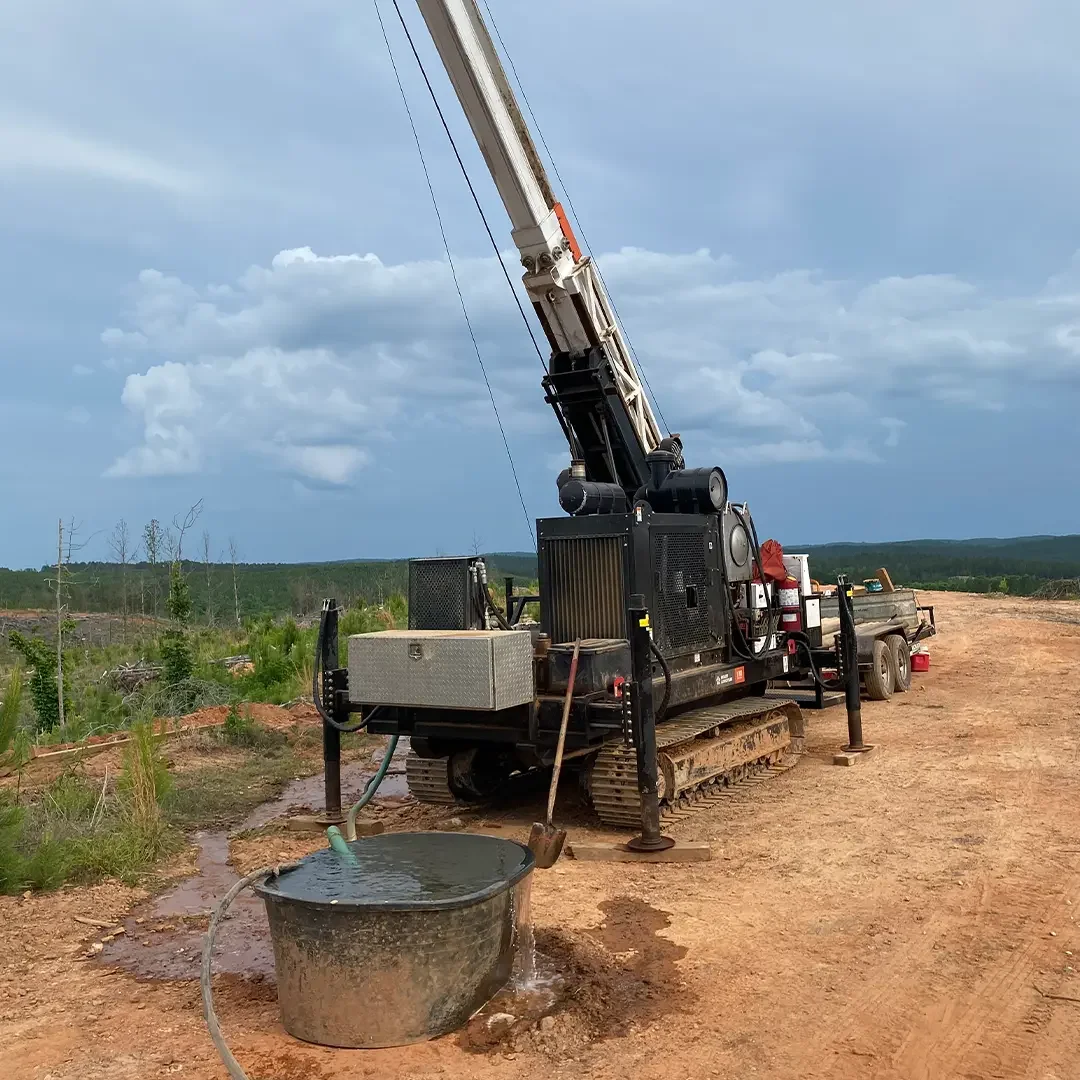
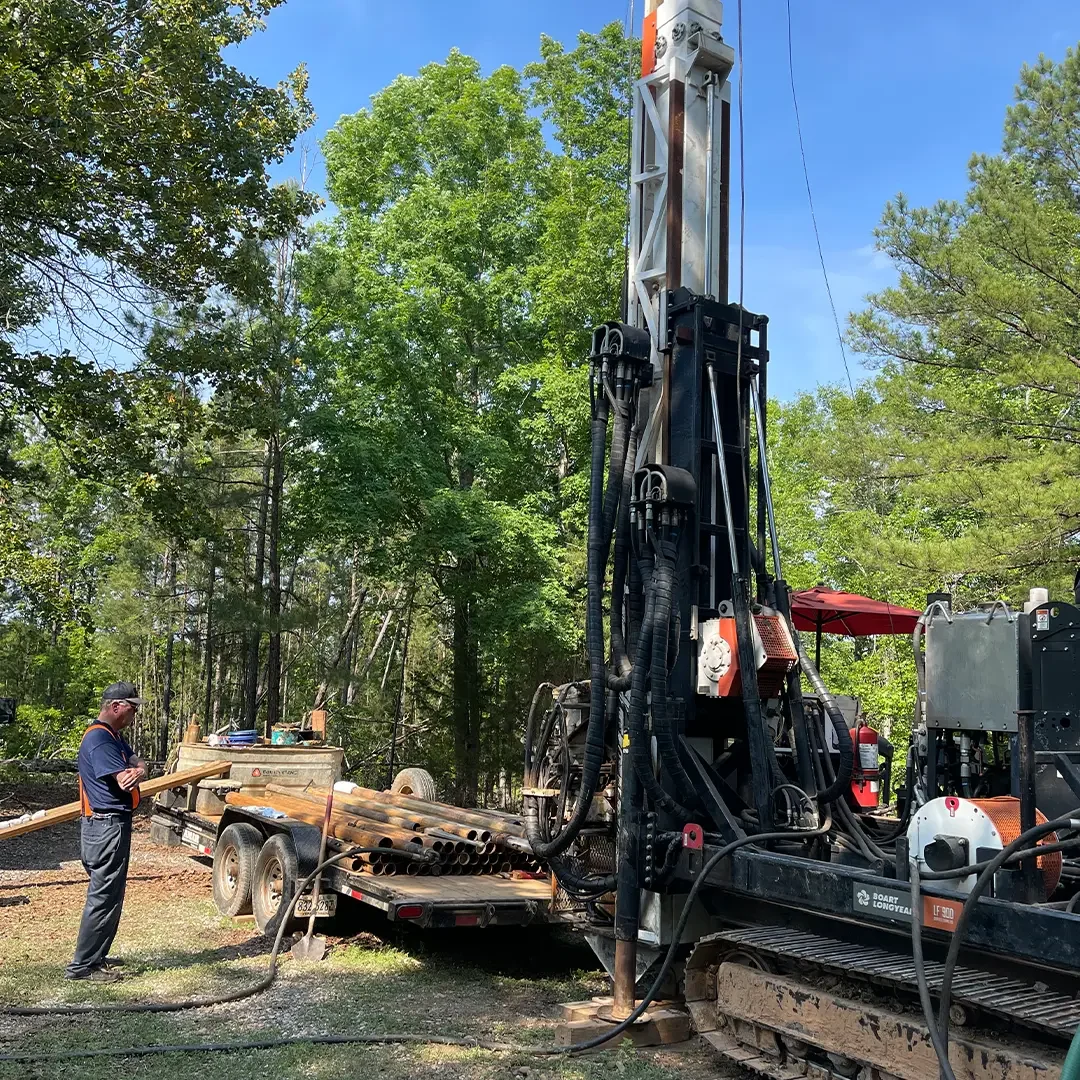
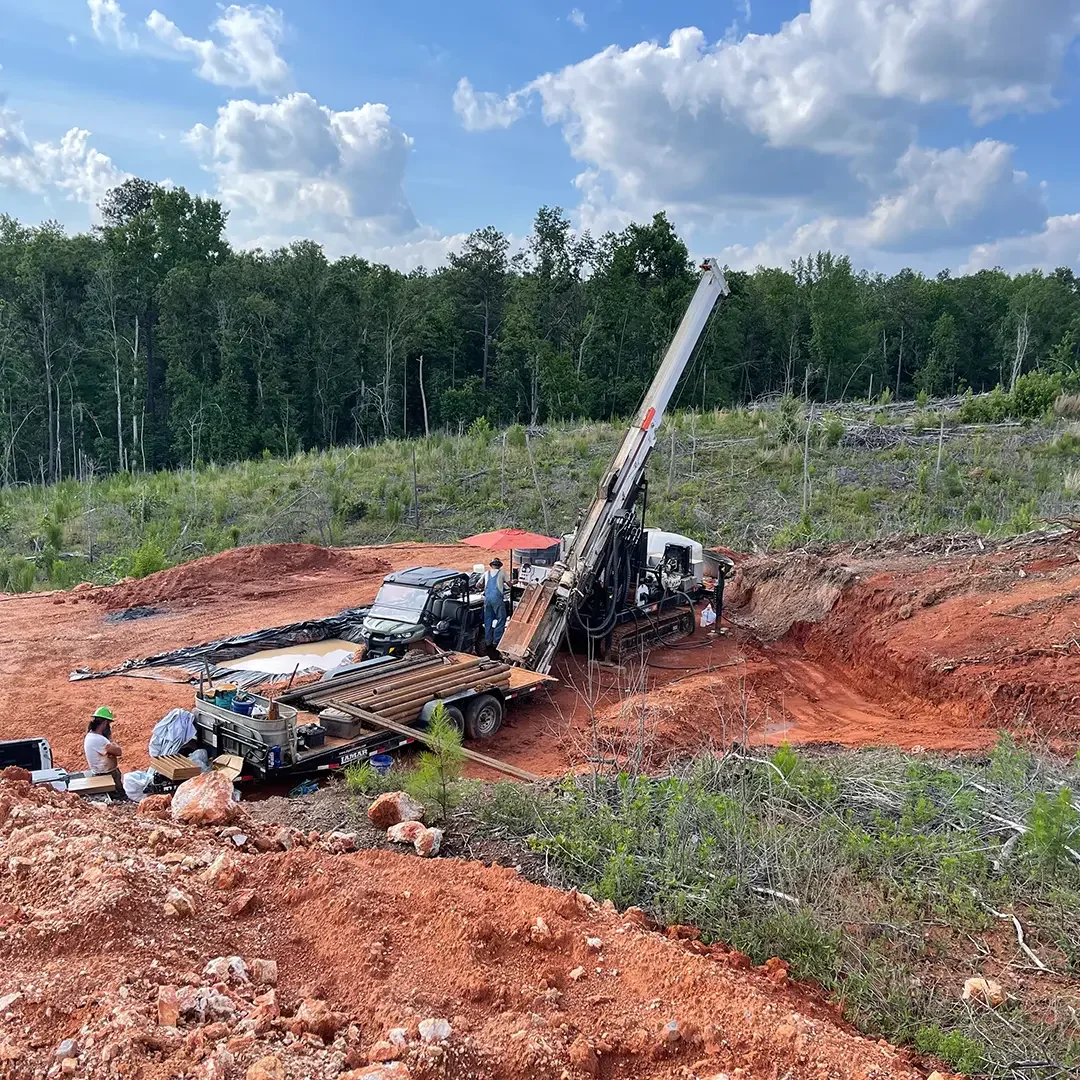
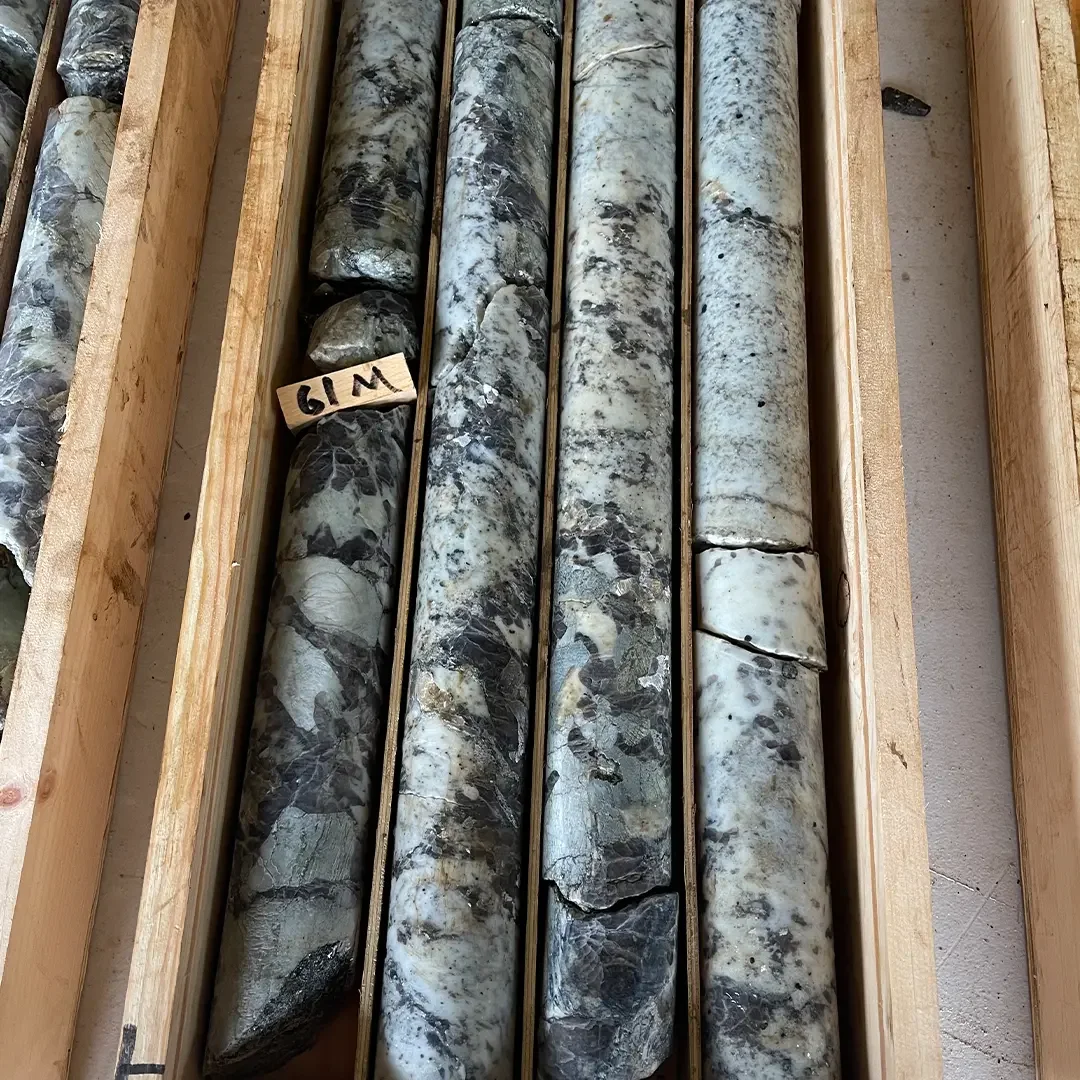
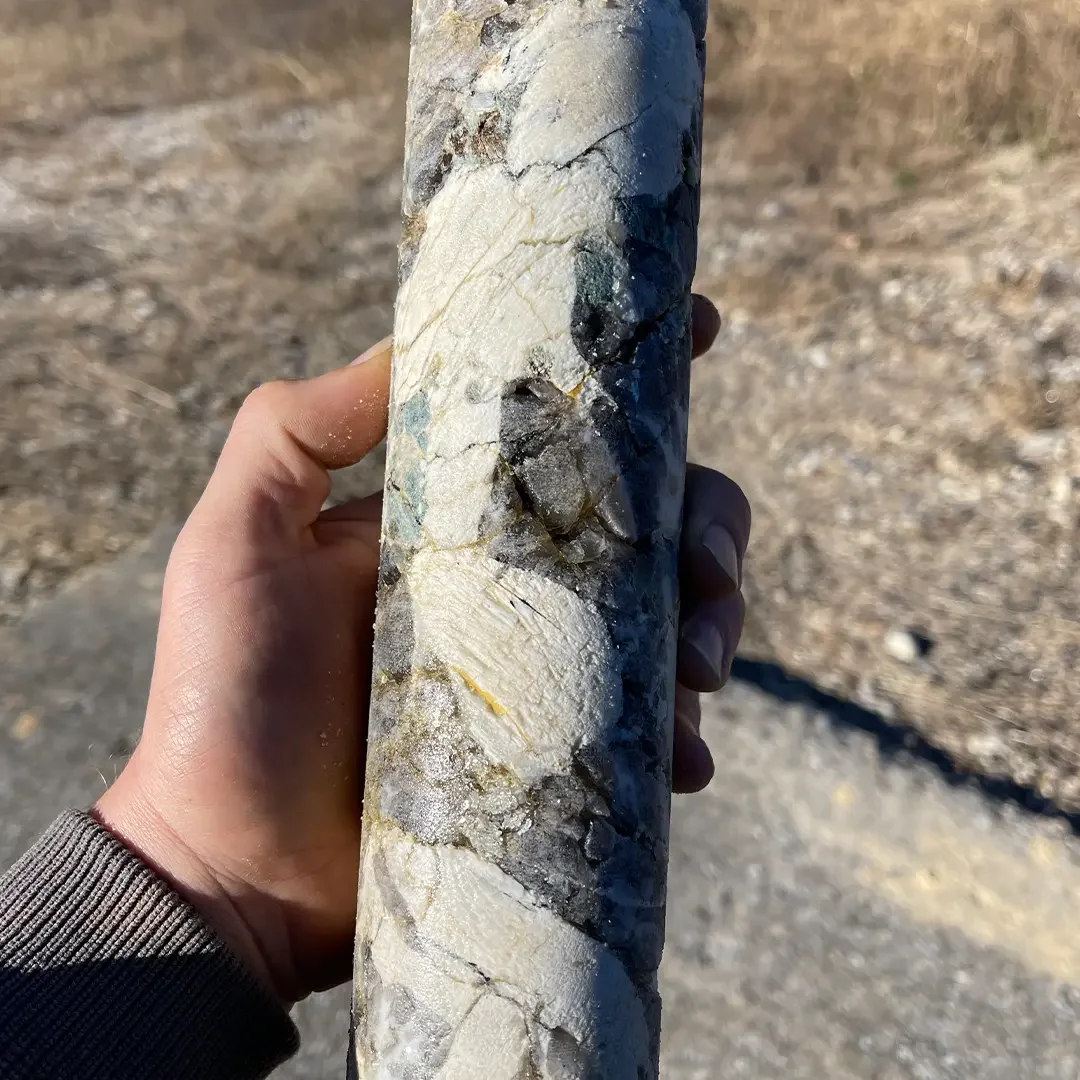
Initial drilling programs have successfully confirmed both lithium and tantalum mineralization, including multiple spodumene-bearing intercepts at the historic McAllister area. Combined with proprietary geological datasets and strong relationships with local landowners, government agencies, and industry stakeholders, USCM has established a strong platform for resource growth and future mine development.
Our Strategy Going Forward
USCM's near-term focus is to advance exploration, expand its land position, and acquire the historic tantalum processing facility. Planned activities include airborne geophysical surveys, additional diamond drilling, and the advancement of engineering and feasibility studies designed to support the restart of tantalum production. The company is also actively pursuing government partnerships and funding opportunities that support domestic critical mineral supply chains.
Over the next two years, USCM intends to define a maiden resource, secure all necessary permits, complete a feasibility study, and recommission the historic tantalum mill. By combining tantalum production with the district's emerging lithium and tin potential, USCM aims to establish a long-term domestic source of critical minerals that supports U.S. defense, technology, and energy security objectives.
Tantalum Increasing Priority for DOW
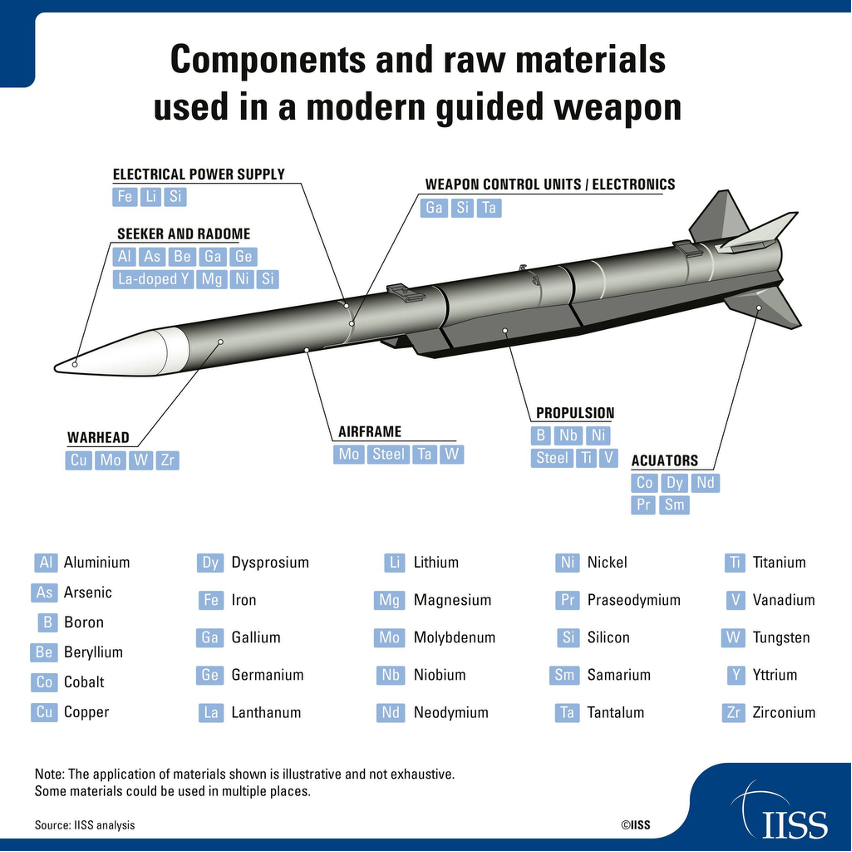
Tantalum has become one of the highest-priority critical minerals for the Department of War because of its essential role in defense electronics, aerospace systems, high-performance capacitors, superalloys, and advanced military platforms. Recent NDAA policy language recognizes tantalum as a Tier 1 critical mineral, underscoring that secure access to tantalum is no longer just a commercial supply-chain issue, but a national security requirement.
This policy shift sends a clear signal: the U.S. must move beyond reliance on foreign-controlled tantalum supply chains and build trusted domestic capacity across the value chain, from feedstock and concentrates to oxides, metal, powder, and finished defense-grade materials. For companies positioned to support a secure, U.S.-based tantalum supply chain, this creates a timely opportunity to align with the Department’s highest-priority sourcing needs.